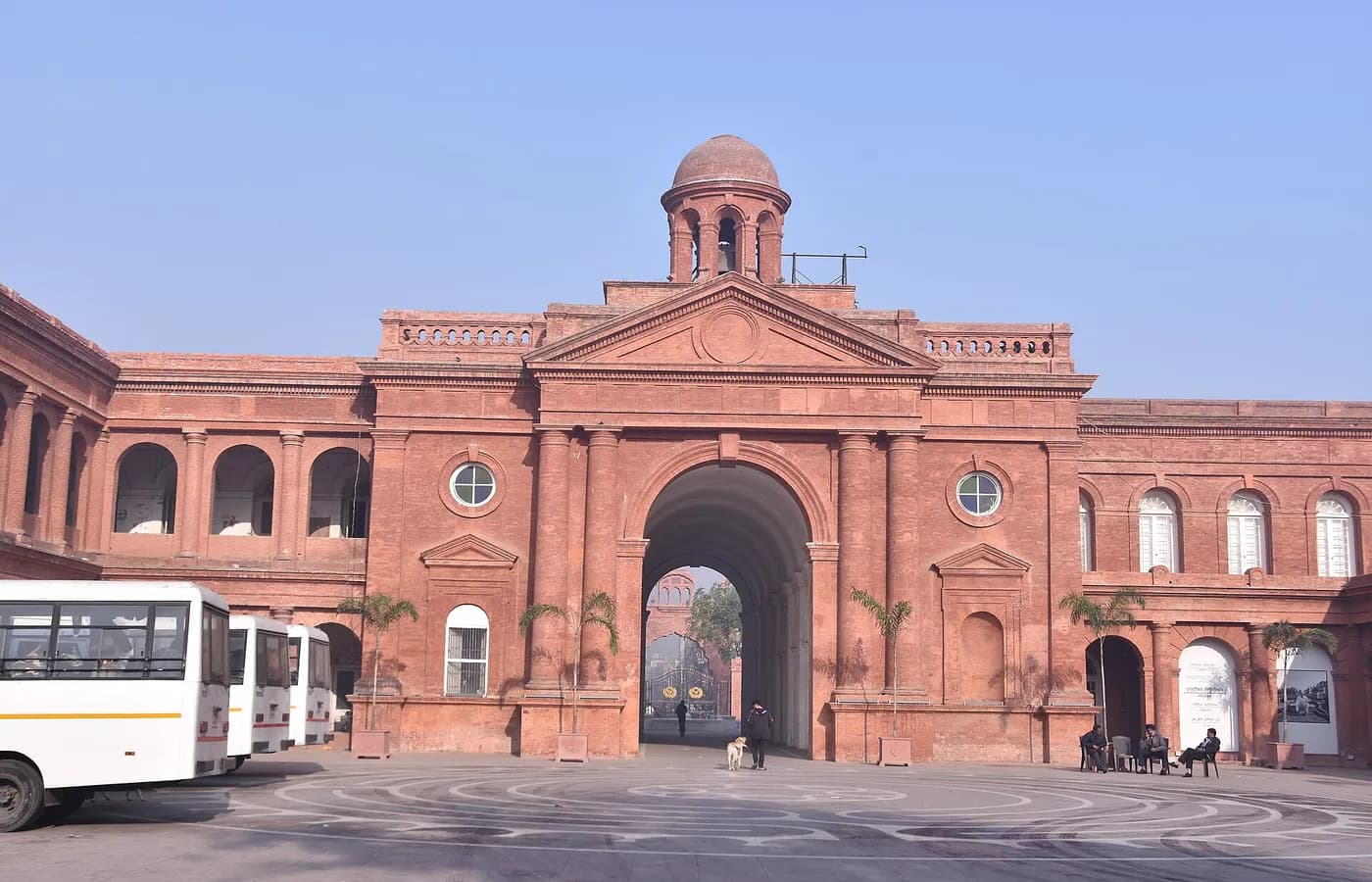
The Partition Museum in Amritsar documents the division of British India in 1947 through oral histories, photographs, official records and objects donated by families. It is housed in the restored Town Hall, a short walk from Jallianwala Bagh and the Golden Temple.
Partition created India and Pakistan and prompted one of the largest mass migrations in modern history. Punjab was split by the new border, and violence uprooted communities that had lived beside one another for generations.
What a suitcase can say
The museum’s power comes from placing political maps beside intimate evidence: a utensil, a piece of clothing, a document or a trunk carried during flight. Such objects do not explain the whole event. They restore scale by showing history entering a household.
Recorded testimony complicates any tidy national account. Memories hold fear, generosity, loss and survival together, often preserving places that descendants know only through family speech.
An everyday object becomes an archive when the home around it can no longer be reached.
Memory as continuing work
The Arts and Cultural Heritage Trust established the museum, which opened in phases beginning in 2016 and was formally inaugurated in 2017. Its oral-history programme reflects the urgency of recording first-person accounts as the generation that witnessed Partition grows older.
Museums cannot reconcile the past by themselves. They can, however, resist abstraction. In a region where statistics can overwhelm individual lives, names, voices and carried objects insist that history happened one person at a time.
Editorial note: Historical features distinguish documented facts from interpretation. Images marked illustrative do not depict the named event.