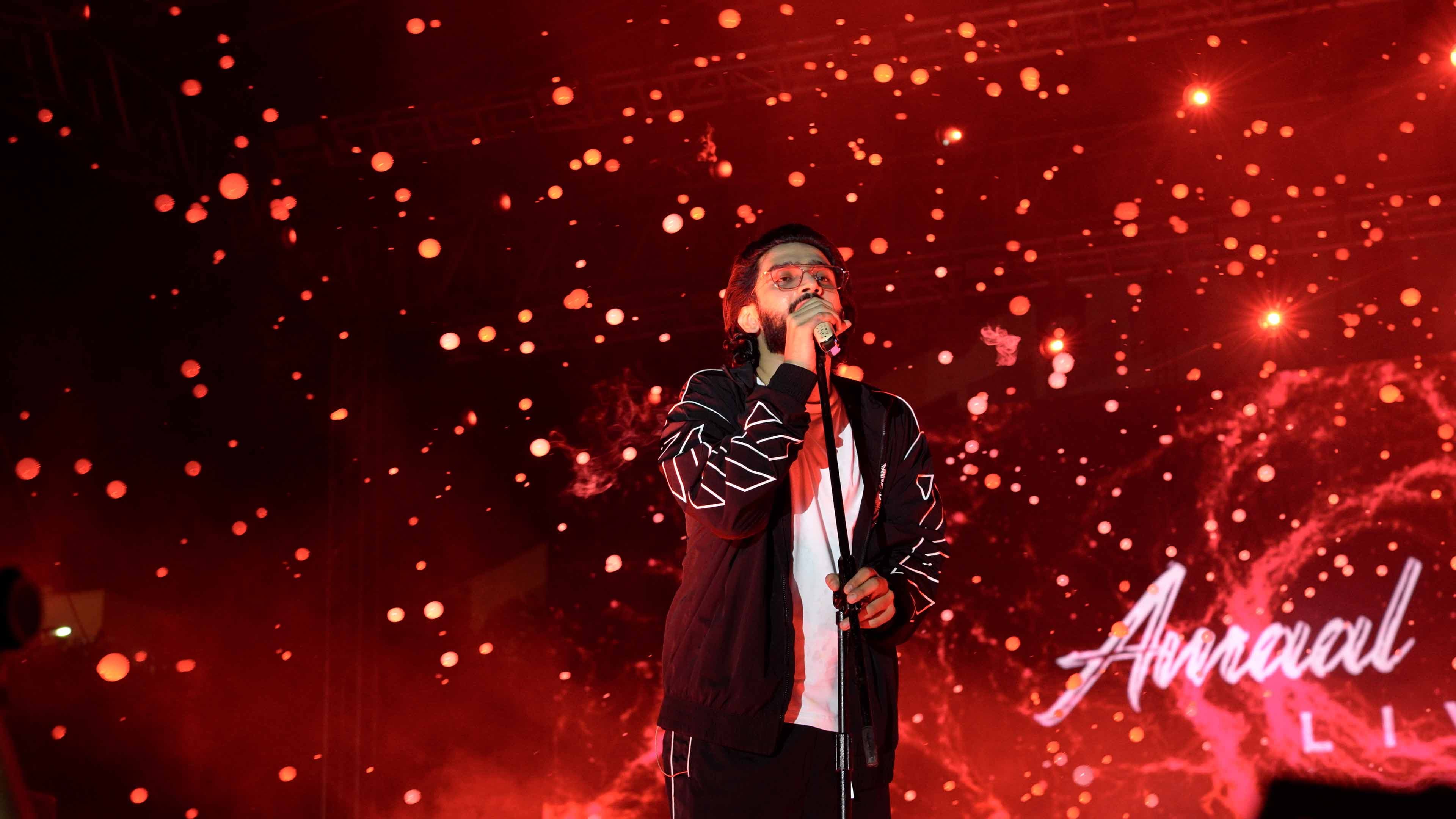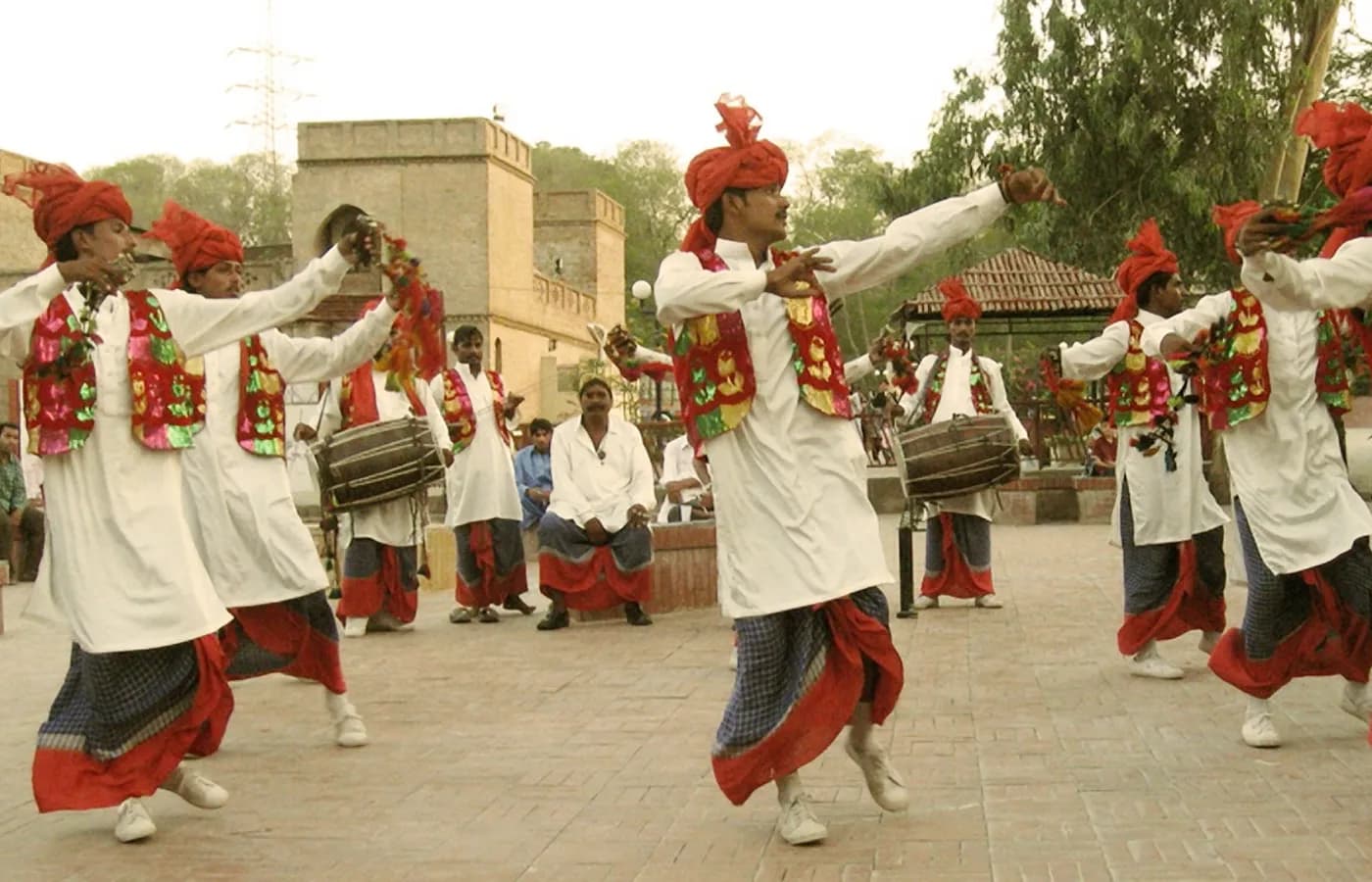
British bhangra emerged from post-war Punjabi migration and took recognisable shape in the 1970s and 1980s. Bands combined Punjabi lyrics and dhol-driven rhythm with electric guitars, synthesizers, disco, reggae and the production language of British pop.
Groups including Alaap, Heera and Apna Sangeet became central to a circuit of weddings, community halls and melas. The music described neither a frozen homeland nor simple assimilation; it made British Punjabi life audible on its own terms.
Music outside the chart
Mainstream chart positions tell only part of the story. Cassettes moved through specialist shops and family networks, while live shows generated their own economy. In the late 1980s and 1990s, daytime club events gave young British Asians a dance floor beyond parental curfews and exclusionary door policies.
Producers such as Bally Sagoo pushed remix culture into the foreground, and later artists including Panjabi MC connected folk recordings, hip-hop and electronic production for another generation.
British bhangra was not caught between cultures. Its energy came from building culture in the space that migration created.
An archive still being heard
Panjabi MC’s “Mundian To Bach Ke” became an international hit in the early 2000s, but its global success rested on a much longer local infrastructure. Today’s Punjabi pop—with beats moving among Chandigarh, Birmingham, Brampton and California—continues that transnational exchange.
Listening back means hearing social history as well as hooks: anti-racist organising, independent business, generational argument and the pleasure of a room claiming itself through sound.
Editorial note: Historical features distinguish documented facts from interpretation. Images marked illustrative do not depict the named event.